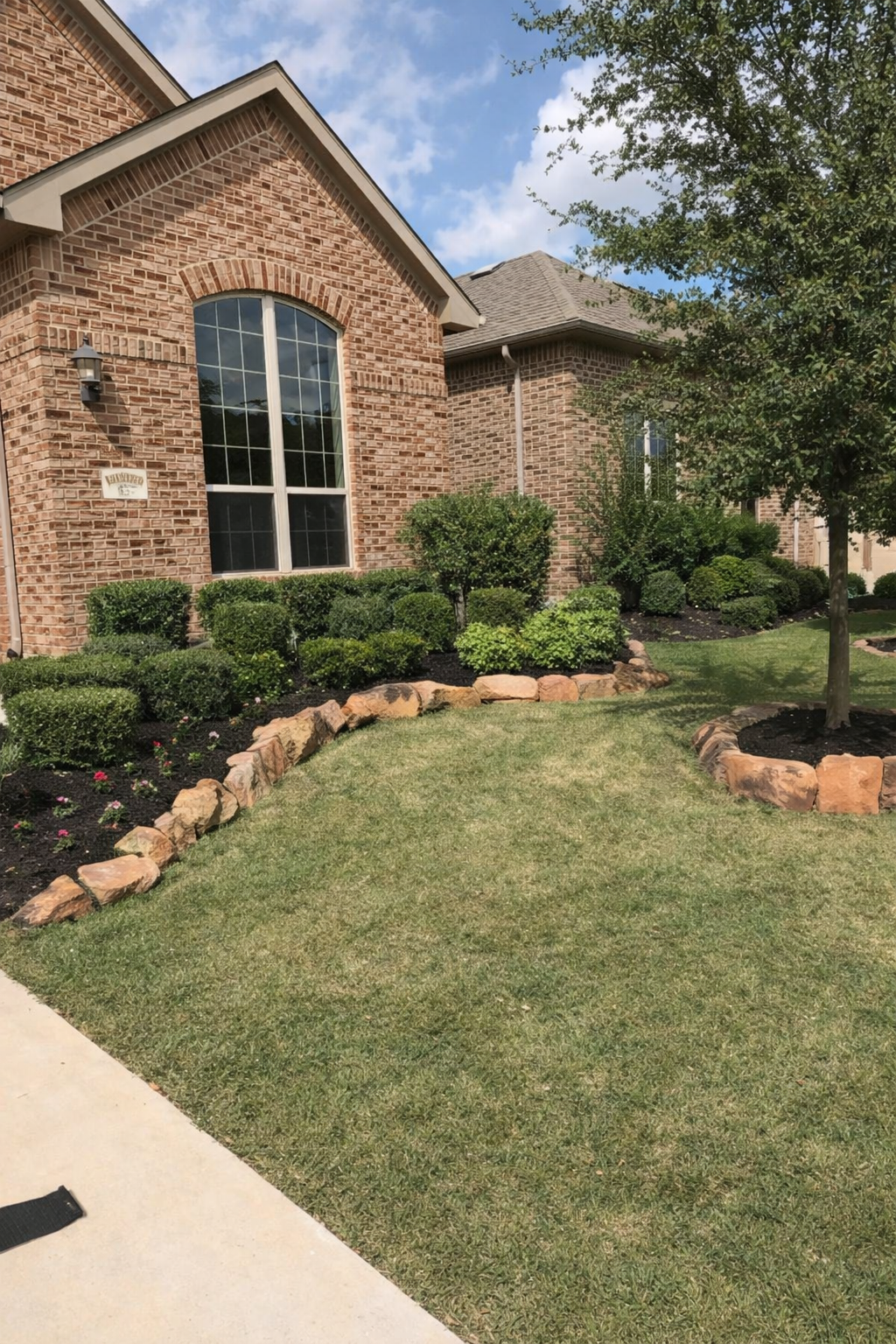
Creating Harmony: The Art of Blending Hardscape Features with Natural Landscape Elements Feb 10, 2026
Landscaping and hardscaping are two sides of the same coin, each bringing unique benefits to your outdoor environment. Landscaping involves the use of living elements like plants, trees, and flowers that add color and texture. Hardscaping, on the other hand, incorporates non-living elements such as stone walls, patios, and walkways, which provide structure and functionality. The key to success lies in blending these two elements seamlessly to create a cohesive look.
The first step in designing a harmonious landscape is understanding the natural characteristics of your property. This means taking note of the existing topography, climate conditions, and soil type. By respecting these natural features, you can ensure that your design complements the environment rather than overpowering it. At Landscape Legends, we emphasize the importance of sustainable landscaping practices to maintain ecological balance.
Next, consider the aesthetic and functional roles of hardscape elements. A beautifully crafted stone pathway can guide guests through a garden, while a well-placed patio serves as a gathering spot for friends and family. These features should be strategically positioned to enhance the natural beauty of your landscape. The materials you choose for your hardscapes, such as stone, wood, or metal, should align with the overall design theme and architecture of your home.
Incorporating hardscape features into a landscape should not feel forced. Instead, these elements should appear as natural extensions of the landscape. For instance, a retaining wall can serve as both a practical solution for managing soil erosion and an attractive feature that blends smoothly with surrounding greenery. Similarly, a water feature like a pond or fountain can act as a focal point, adding a sense of tranquility while supporting local wildlife.
Color and texture are essential when merging hardscape with softscape. Choosing colors from nature for hardscape materials helps tie the two together, ensuring they look like a natural part of the environment. For example, using shades that mimic tree bark or earth tones can make hardscape elements more visually appealing. Additionally, contrasting textures between smooth stones and lush foliage can add interest and depth to your design.
Lighting also plays a crucial role in unifying hardscape and landscaping features. Well-placed outdoor lights can accentuate the beauty of your garden at night, highlighting paths, patios, and plant beds. This not only extends the usability of your outdoor space into the evening but also enhances safety and security.
Finally, maintenance should always be a consideration. Functional yet low-maintenance options will ensure that your outdoor space remains beautiful throughout the year without requiring excessive upkeep. At Landscape Legends, we advise clients on choosing durable materials and planting native species that are suited to local conditions, which aligns with sustainable landscaping practices.
In conclusion, the art of blending hardscape features with natural landscape elements lies in balance and harmony. By respecting the natural qualities of your property and thoughtfully integrating hardscape elements, you can create an outdoor space that is not only beautiful and functional but also a true reflection of the landscape's inherent charm. Whether you are starting from scratch or enhancing an existing garden, Landscape Legends is here to help you realize your vision of the perfect outdoor oasis.
/filters:no_upscale()/filters:format(webp)/media/09218aac-d979-4aa0-8c20-a1e71961ecbd.png)
/filters:no_upscale()/filters:format(webp)/media/28886cac-d741-49a9-b1f9-7df164ca1911.png)