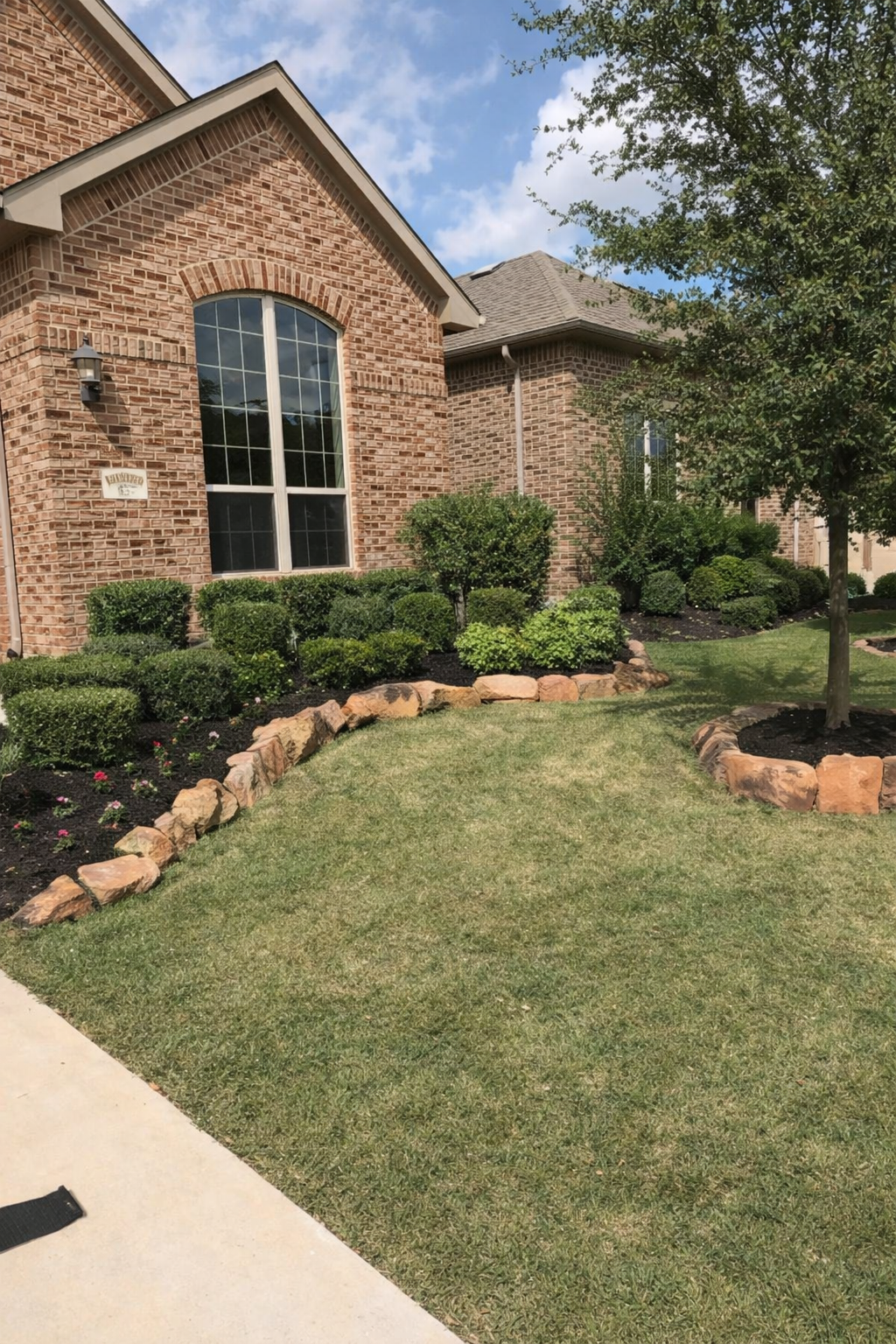
Exploring Texture and Color: Innovative Planting Combinations for Stunning Landscapes Dec 11, 2025
Imagine walking into a garden bursting with colors that change with the seasons, offering a visual feast to behold throughout the year. This is possible by combining plants in ways that highlight different textures and colors. The first step to achieving this is by understanding the basic principles of color theory. Complementary colors, those located opposite each other on the color wheel like orange and blue or red and green, create vibrant contrast when paired. On the other hand, analogous colors, such as yellow, yellow-green, and green, provide a more harmonious look.
Texture is equally important in landscape design. Incorporating plants with various leaf shapes, sizes, and surfaces—ranging from the spiky leaves of a yucca to the soft foliage of lamb's ear—creates an intriguing and dynamic visual landscape. By selecting plants with varied textures, you can add depth and interest to your garden, making each visit a new experience.
One exciting combination to consider is pairing grasses with flowering perennials. Ornamental grasses not only offer a contrasting form and texture to many perennials but also add a soothing, gentle movement to garden spaces. For instance, the feathery texture of Miscanthus or the upright form of Pennisetum can complement the vibrant blooms of coneflowers (Echinacea) and black-eyed Susans (Rudbeckia), creating a lively and cheerful garden setting.
For shaded areas, think of combining hostas with ferns and astilbe. Hostas are well known for their broad, variegated leaves that provide a lush groundwork, while ferns bring an elegant texture with their delicate fronds. When astilbe's plumes blossom, they add a splash of color and vertical interest, resulting in a sophisticated, layered look.
In sunnier spots, consider combining the silvery leaves of lavender with the bold, golden flowers of yarrow. Their contrasting hues create a striking effect, adding vibrancy and warmth to the landscape. Moreover, lavender's scent can enhance your sensory experience, while yarrow attracts beneficial pollinators.
When planning your garden layout, it's crucial to consider the growing conditions and requirements of each plant. Sun exposure, soil type, and water needs can greatly influence plant health and vibrancy. Choosing plants that thrive together is essential for a sustainable and thriving landscape.
In conclusion, innovative planting combinations focusing on texture and color can transform any garden into a marvelous outdoor retreat. At Landscape Legends, we encourage embracing creativity and experimentation in your landscape design. By understanding and applying the principles of color theory and texture, you can turn your garden into a unique masterpiece that stands out in every season. Whether you're looking to refresh your existing landscape or start from scratch, we invite you to explore these ideas and create a stunning garden that brings joy and beauty to your outdoor living space.
/filters:no_upscale()/filters:format(webp)/media/09218aac-d979-4aa0-8c20-a1e71961ecbd.png)
/filters:no_upscale()/filters:format(webp)/media/28886cac-d741-49a9-b1f9-7df164ca1911.png)