Nature’s Palette: Using Color Theory to Enhance Your Landscape Design Mar 18, 2026
Begin your landscape enhancement journey with an understanding of color theory basics, which involves the strategic use of the color wheel. At its core, the color wheel consists of primary, secondary, and tertiary colors that can be combined in various ways to achieve harmony or contrast. For instance, complementary colors are opposite each other on the wheel, such as red and green, and create a vibrant contrast that can make landscape elements pop.
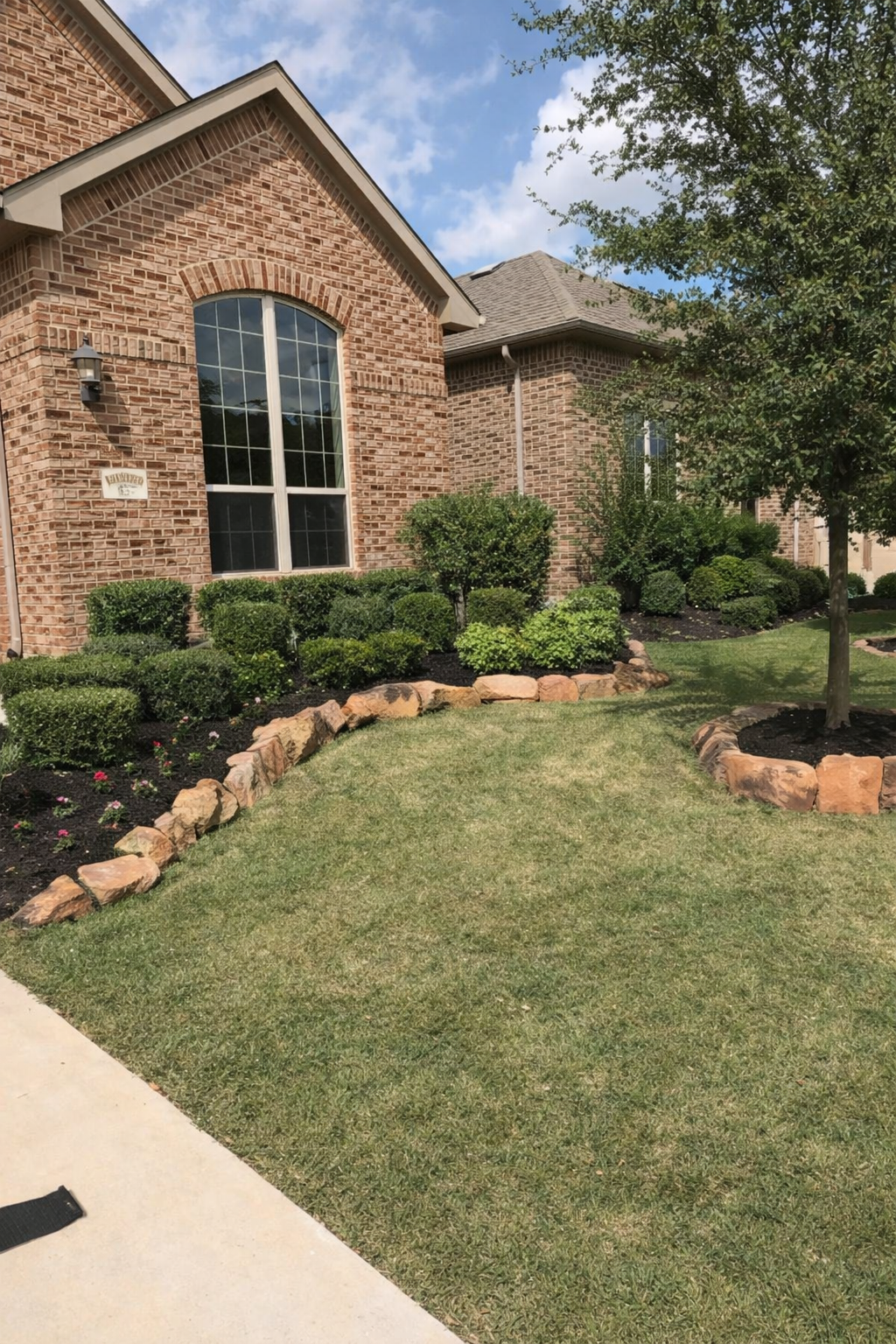
A fantastic way to start applying color theory is through the concept of monochromatic schemes, which utilize varying shades, tints, and tones of a single color. This approach is excellent for creating a calming, cohesive look in your garden. For example, a selection of plants with varying shades of green can establish a soothing ambiance, perfect for spaces dedicated to relaxation.
If you're looking for drama and excitement, consider an analogous color scheme. This involves selecting colors that are next to each other on the color wheel, such as red, orange, and yellow. Using these colors together in your landscape design can create a warm, inviting, and cheerful environment. Such schemes are excellent for entertainment areas where lively social gatherings take place, as they naturally stimulate conversation and energy.
For those hoping to achieve striking contrasts and bold statements in their landscape, a complementary color scheme may be desirable. Choose plants and hardscape elements that embody opposing colors, like purple flowers blooming against yellow foliage. This approach draws immediate attention and can highlight specific areas of your garden, making them focal points.
Beyond the aesthetic appeal, color in landscaping serves functional purposes. At Landscape Legends, we emphasize the sensory experiences created with color. Warm colors like reds and oranges can make a garden feel more intimate and smaller, which is perfect for cozy patio nooks. On the other hand, cool colors like blues and greens can create a sense of spaciousness and are ideal for larger areas that you wish to feel even more expansive.
When selecting your color palette, also consider seasonal changes. Some plants alter their hues with the seasons, offering dynamic and evolving landscapes that keep your outdoors visually interesting year-round. This evolving canvass will ensure that your garden offers new experiences as the year progresses.
Finally, remember that implementing color theory into landscape design is not merely about picking the right plants. Incorporate colorful hardscaping elements like vivid pavers, textured stones, or painted garden furniture. This enhances the visual impact and ensures a harmonious integration with the natural surroundings.
In conclusion, applying color theory in your landscape design can turn any outdoor area into a masterpiece. Whether you're seeking tranquility or vibrant interaction, understanding and applying these principles can greatly enhance your garden's appeal. At Landscape Legends, we're eager to help you realize your color dreamscape with expert guidance and tailored design solutions tailored to your vision. Embrace the artist within, and let the world beyond your doorstep be your canvas.
/filters:no_upscale()/filters:format(webp)/media/09218aac-d979-4aa0-8c20-a1e71961ecbd.png)
/filters:no_upscale()/filters:format(webp)/media/28886cac-d741-49a9-b1f9-7df164ca1911.png)