Sense of Place: Bringing Local Charm to Your Garden with Regional Landscaping Styles Apr 27, 2026
Begin by embracing native plants, which are an essential component of any regional landscape. These plants are adapted to the local climate and soil conditions, making them more resilient and requiring less water and chemical intervention. A garden full of native flora not only thrives naturally but also attracts beneficial local wildlife, such as bees and butterflies, enhancing biodiversity. Researching which plants are indigenous to your area is a great first step. Local nurseries and garden centers can be excellent resources for discovering these region-specific plant varieties.
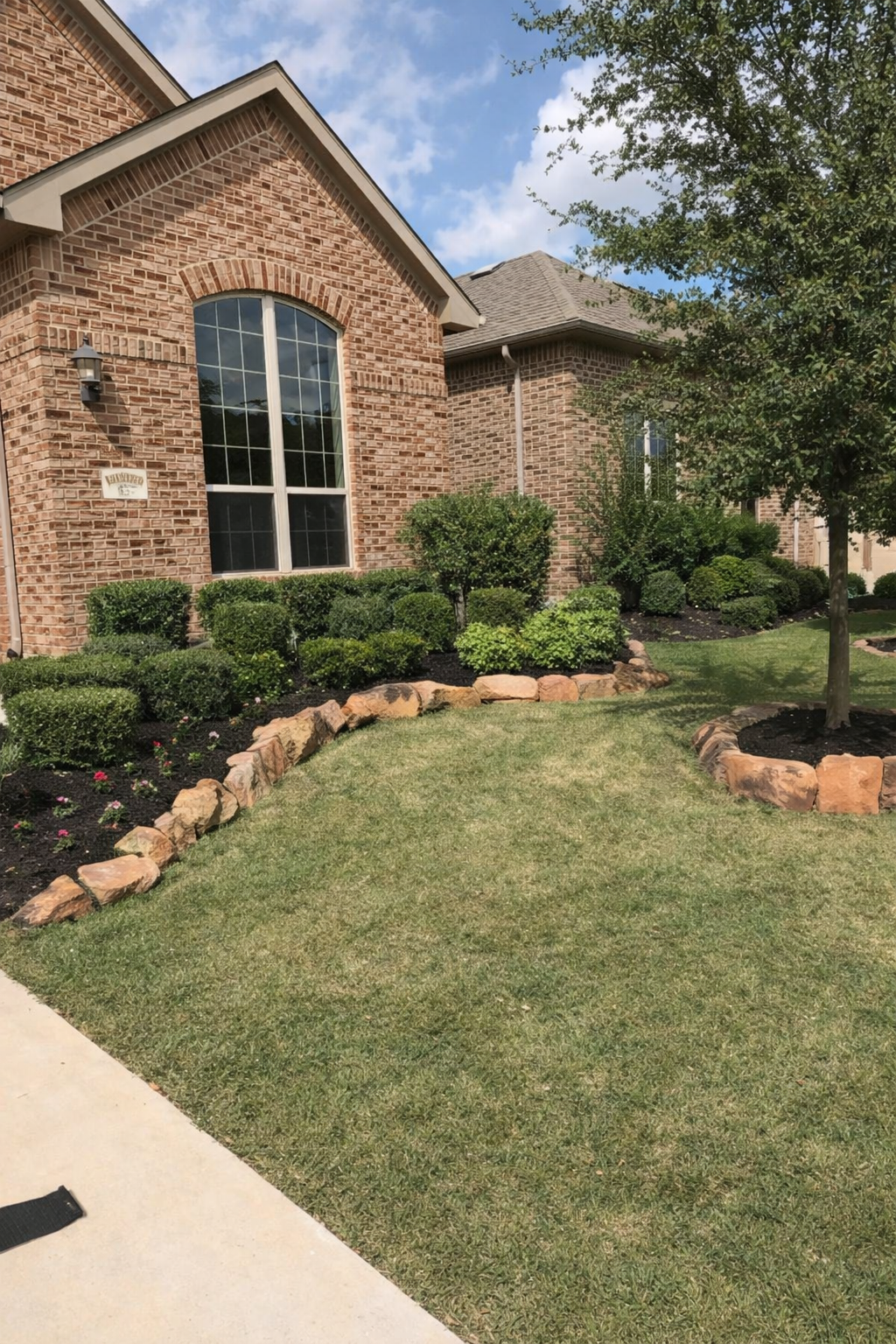
Incorporating hardscaping features is another effective way to integrate local charm into your garden. Materials like local stone types or reclaimed wood not only create a natural feel but can also provide a narrative that ties your garden to the community. For example, a garden in the Southwestern United States might feature gravel pathways and terracotta highlights, reflecting the arid desert vibe of the region. Whereas a garden in the New England area could incorporate brick and granite elements, resonating with the region's historical architecture. The idea is to select materials that feel authentic to your locale, enhancing the overall narrative of your garden space.
Design elements, such as garden layout and features, can also contribute significantly to maintaining a sense of place. Consider the traditional styles that are prevalent in your area. For instance, East Coast gardens may incorporate formal, symmetrical layouts, while a West Coast garden might focus more on flowing, natural curves mimicking the area's coastline. You can also include region-specific water features, like a reflecting pool or a small cascading waterfall, which can serve as focal points in your garden design.
Beyond plants and structural components, cultural influences can infuse your garden with local charm. Look into the cultural heritage of your area for inspiration. This could mean adding a tea pagoda for an Asian-inspired garden in regions with significant Asian heritage or using Southwestern pottery in desert-adjacent areas. These cultural references not only personalize your space but also communicate the local history and influences.
Incorporating regional landscaping styles is not just about aesthetic appeal. It’s about creating a sustainable and uniquely beautiful space that complements and benefits from the local environment. By choosing native plants, using local materials, considering traditional design elements, and acknowledging cultural influences, you can craft a garden that truly embodies a sense of place.
At Landscape Legends, our team is passionate about helping you create a garden that is both beautiful and reflective of your locale. Our experts are ready to assist in selecting the right plants, materials, and designs that will bring your vision to life. Reach out to us and experience how a professionally designed garden can transform your home and connect seamlessly with the environment around it.
/filters:no_upscale()/filters:format(webp)/media/09218aac-d979-4aa0-8c20-a1e71961ecbd.png)
/filters:no_upscale()/filters:format(webp)/media/28886cac-d741-49a9-b1f9-7df164ca1911.png)