The Art of Adaptation: Tailoring Landscapes to Suit Changing Climates May 01, 2026
Rising temperatures, prolonged droughts, and intense rainfall events are just a few of the challenges homeowners now face. To combat these, implementing sustainable landscaping practices is key. By choosing native plants and drought-resistant species, homeowners can create gardens that thrive with minimal water use. These plants, naturally accustomed to local climate conditions, bring both resilience and exceptional beauty to a garden.
Designing for water efficiency is another essential component. Drip irrigation systems, rain gardens, and permeable pavements are innovations that help manage water resources wisely. A well-planned irrigation setup ensures that plants receive adequate hydration while minimizing water waste through evaporation or runoff. Rain gardens, for example, are useful in capturing rainwater, allowing it to slowly infiltrate the ground, which mitigates flooding and nourishes plants.
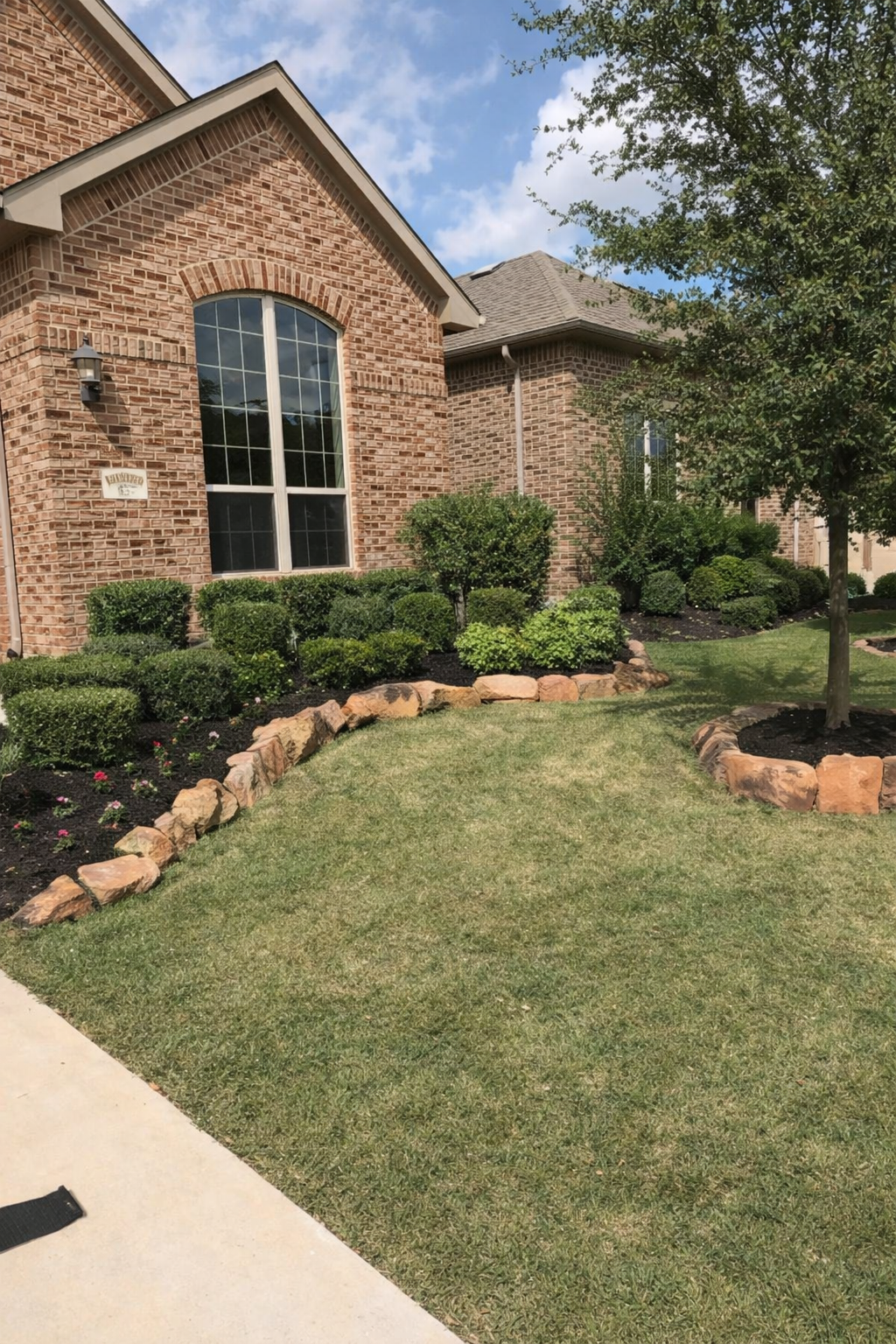
Moreover, homeowners should consider implementing hardscaping elements strategically. Features like stone walkways, retaining walls, and raised garden beds not only enhance the visual appeal of a garden but also provide practical solutions to manage soil erosion and moisture levels effectively. Raised beds can be particularly helpful in areas that experience heavy rainfall, as they improve drainage and give plants a better chance to thrive.
Embracing the use of smart technology is another step toward creating a climate-adaptive landscape. Modern tools such as automated irrigation controllers and weather-responsive systems can adjust watering schedules based on real-time weather data. This technological edge ensures that landscapes are maintained efficiently, saving resources and reducing upkeep costs.
For those seeking to push their gardens to the cutting edge of sustainability, incorporating green roofs and living walls can be an exciting venture. These features not only act as natural insulators but also improve air quality and offer habitats for local wildlife. Green roofs, in particular, are valuable for urban settings where space is limited and temperatures soar.
Incorporating windbreaks into landscape designs is also a beneficial tactic. Carefully positioned trees or shrubs can shield gardens from strong winds, reducing soil erosion while providing a natural habitat for birds and beneficial insects. This approach is especially useful in open or rural areas prone to high-wind conditions.
At Landscape Legends, our experts are dedicated to crafting landscapes that are not just visually stunning but also resilient enough to withstand the impacts of climate change. Our goal is to provide solutions that harmonize with nature, offering both practicality and beauty. We believe in empowering our clients with knowledge, helping them make informed decisions that benefit both their gardens and the environment at large.
In conclusion, adapting landscapes to suit changing climates involves a thoughtful blend of design, technology, and environmental awareness. By focusing on sustainable and forward-thinking strategies, we can create outdoor spaces that are resilient, efficient, and a true reflection of our commitment to preserving the planet. Whether through the choice of plants, innovative irrigation solutions, or the smart use of hardscaping, Landscape Legends is here to guide you every step of the way in crafting your climate-adaptive paradise.
/filters:no_upscale()/filters:format(webp)/media/09218aac-d979-4aa0-8c20-a1e71961ecbd.png)
/filters:no_upscale()/filters:format(webp)/media/28886cac-d741-49a9-b1f9-7df164ca1911.png)