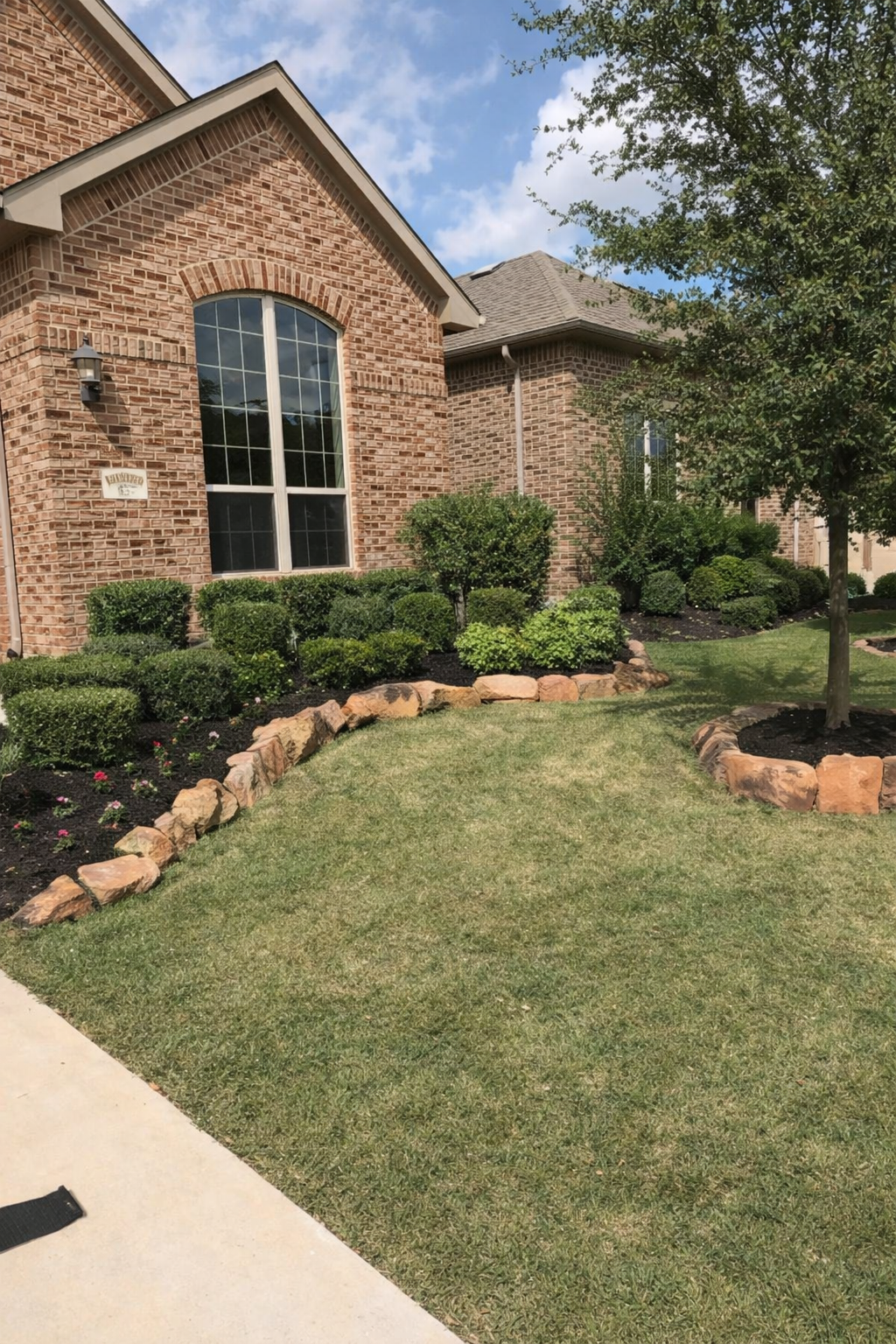
Wildlife-Friendly Yards: Creating Habitats for Natural Neighbors May 11, 2026
One of the first steps in creating a wildlife-friendly yard is understanding the native species that inhabit your area. Researching what plants, animals, and insects are indigenous to your region can guide your landscaping choices. Native plants are a key component as they require less maintenance due to their adaptability to local conditions. They provide the right nectar, seeds, and foliage that local wildlife depend on.
Next, consider diversifying your plant species. A variety of trees, shrubs, and flowers can support different wildlife needs. Birds might prefer trees for nesting, while pollinators like bees and butterflies will be attracted to vibrant flowering plants. Opt for a mix of heights and textures to create layers in your garden, which can offer shelter and foraging opportunities for small mammals and insects.
Incorporating water features can significantly enhance your yard's appeal to wildlife. A small pond, a bird bath, or a trickling fountain can attract birds and amphibians, offering them a place to drink and bathe. If space and budget allow, adding a small fish-free pond can create a vital resource for frogs and insects. Ensure these water sources are kept clean and accessible.
Consider also the importance of creating cover within your yard. Wildlife needs protection from predators and harsh weather. Woodpiles, brush piles, or dense shrubs can provide excellent cover and nesting sites. Letting some areas of your yard grow a bit wilder can also be beneficial, as dead wood and leaf litter can host a variety of insects and fungi.
It is equally important to utilize environmentally-friendly gardening practices. Avoid chemical pesticides and fertilizers which can be harmful to non-target species. Instead, choose organic solutions and natural pest control methods. Companion planting, for instance, is a great strategy, where certain plant combinations can naturally deter pests.
To support birds and small mammals, consider adding nesting boxes and feeders. Make sure bird feeders are filled with appropriate seeds or nectar, and that they’re regularly cleaned to prevent disease. Similarly, nesting boxes should be placed away from busy areas to provide a safe, peaceful environment.
While planning your wildlife-friendly yard, remember to create pathways and open spaces. These elements not only make your garden navigable and aesthetically pleasing, but they also provide wildlife with routes to move safely from one area to another. Stone paths, gravel walkways, and open grassy areas can all play roles in your landscape design.
Finally, patience is key. Building a vibrant wildlife-friendly yard takes time, but the rewards are well worth the wait. Your efforts will pay off when you see the first butterfly flutter by, or hear the chirping of birds filling the air.
By partnering with Landscape Legends, you can cultivate a beautiful, sustainable yard that is not only visually stunning but also a sanctuary for wildlife. Our team is dedicated to helping you achieve a balanced ecosystem in your backyard, ensuring nature thrives right outside your door.
/filters:no_upscale()/filters:format(webp)/media/09218aac-d979-4aa0-8c20-a1e71961ecbd.png)
/filters:no_upscale()/filters:format(webp)/media/28886cac-d741-49a9-b1f9-7df164ca1911.png)